A sensory feeding tool designed to support your baby’s transition from breast-to-bottle.
Inspired by real motherhood and real bottle refusal struggles. Backed by scientific research on maternal scent and infant feeding behavior.
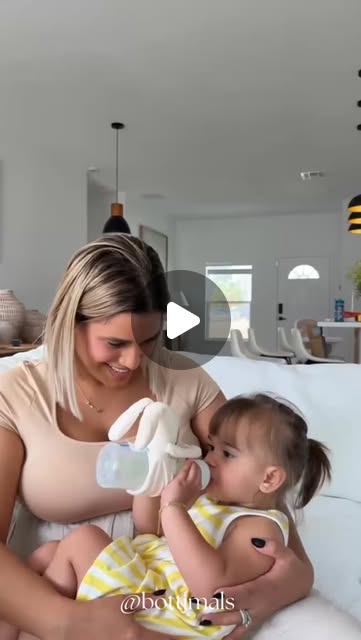
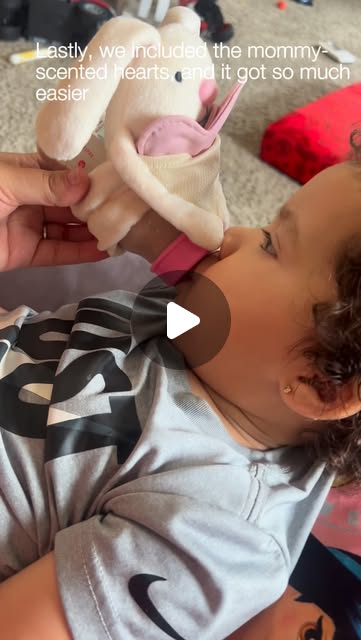
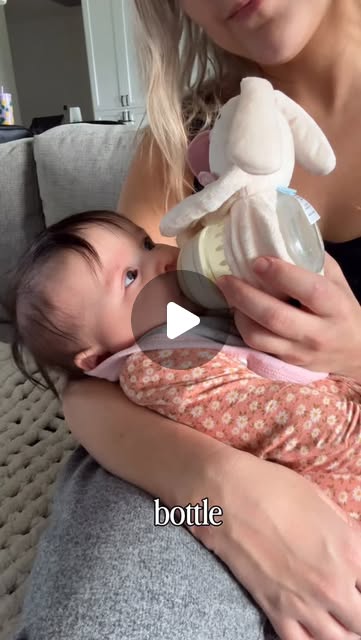
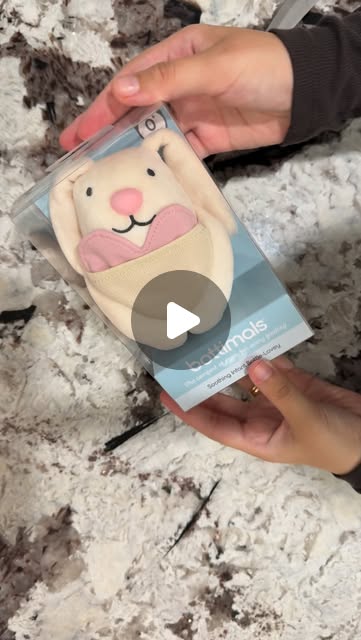
The bottle-lovey is more than a comforting stuffy that wraps around a baby’s bottle. The lovey holds a little heart that carries mom’s scent, and soothes a baby no matter who's feeding them.
Bottle-lovey:
Heart pads:
Safety tested and conforms to Toy Safety Standard ASTM F963
Product Care: Machine wash in linen bag, delicate cycle, in preferred laundry detergent, then dry on delicate. Spot clean as needed.
Disclaimer: Bottimals™ products are designed to provide comfort and familiarity during feeding, but they are not a medical treatment. Always consult your pediatrician, lactation consultant, or other qualified healthcare professional with any concerns about your baby’s health, nutrition, or feeding.
1.
Place the removable heart pad close to your skin to capture your natural scent.
2.
Slide the pad into the pocket inside the bottle-lovey.
3.
The lovey fits around most baby bottles and sits near baby during feeding.
4.
Your scent helps create a familiar and calming feeding experience.
From birth, babies rely heavily on scent to recognize and bond with mom.
Research shows that a mother's scent can significantly:
The bottle-lovey brings this powerful sensory cue into bottle feeding. Even when mom isn't there.
During breastfeeding, babies experience familiar sensory cues: mom’s scent, warmth, softness, closeness.
When those cues disappear while transitioning to a bottle,
some babies resist the change.
When my son Blake was a baby, he refused every bottle we tried. If I wasn’t there to nurse him, he simply wouldn’t eat. Our days revolved around feeding time and planning anything became stressful.
It was especially hard on my husband who felt helpless and couldn’t share those important bonding moments with him.
So… I started looking into why some babies struggle with the transition from breast to bottle. And what I discovered is how much babies rely on their mother’s scent to feel safe and ready to feed.
If you’re experiencing bottle refusal, just know, that you’re not alone mom. I’ve been there and so have many others.
My hope is that bottle-lovey brings freedom back into your day and takes the stress out of feeding.
My son has taken a bottle since birth and all of a sudden he isn't eating as much so I tried the bottle-lovey and I think it was the perfect thing! He looked at it and ate the easiest 2 ounces he's eaten all day. He was barely eating, we usually have to prop the twins and feed them with me sitting there or I try to hold one of them to feed and he was still barely latching on the bottle and I put the lovey on and he ate the best 2 ounces without coming off the bottle.
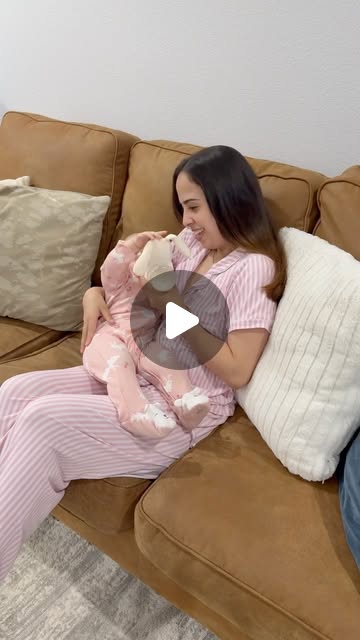
Leaving my son around his mealtime has always been a worry for me as an exclusively breastfeeding mom - what if he doesn't take the bottle since I'm not there? Well, Bottimals helped bridge that gap for those times that I can't *physically* be there, leaving a part of me still present for mealtime. It has made the transition to the bottle much easier for everyone. Our little guy has been loving his bottle-lovey and feeding like a champ!
My sweet nephew just did NOT want to settle and take a bottle this weekend while his mom was taking time with their toddler. I had a Bottimal we hadn’t tried yet as mom was primarily nursing the first few months. That did the trick! Pretty cool! Well fed baby, mom got bonding time with toddler— winning all around!
My son is exclusively breastfed. He will take a bottle, but its reluctantly. I was worried when he started daycare that he wouldn't take a bottle at all, so I purchased this to help. His teachers let him smell/hold the lovey rather than it be attached to the bottle, however it seems to work! He takes his bottles at daycare like a champ and gets the comforting smell of mom is the process.
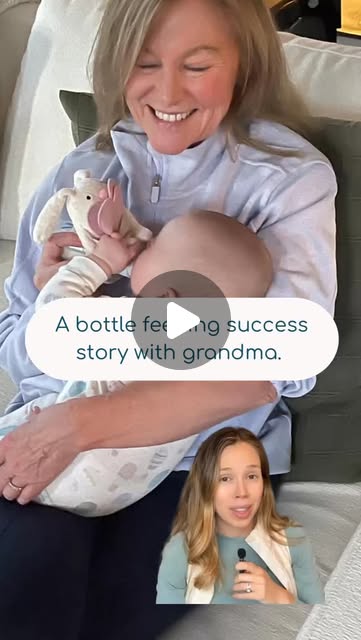
Thanks to the bottle lovey our 7 month old is taking bottles with no issues when she had only ever finished one bottle in her life before it! I even took the lovey off to adjust it for just a second and she didn't want it until I put it back on! It helps her a lot and has totally changed our experience with bottles. I now am able to leave her with someone else, when that really wasn't an option before. Thank you!
I gave this as a gift. The mom to be was very happy to receive it and can’t wait for dad to give it a try!
This is a client I've had since birth and she was mostly breastfed but to let her mama sleep a little more we introduced bottles around 2-3 weeks. She did great with them while I was there but once our 6 weeks were up she wasn't getting bottles very often and then was mostly refusing them. I recommended mom try Bottimals! Today, was my first day back with them in a couple weeks and she took the bottle no problem while using the Bottimals bottle-lovey! Mom wore the hearts in her nursing bra while baby was sleeping and I popped it in when I made the bottle. This pic she isn't looking at it, but she was staring at that bunny pretty intently at times. Mom was actually in the room while I was feeding (and snagged this pic so that shows you how well Bottimals was working)!!!
This was a perfect gift for a friend who recently had a baby. She said it not only helps her but also helps her husband take turns feeding!
This little lovey has been a game changer when it comes to bottle feeding.. Thank you for creating such a wonderful product
Finally tried our bottimal last night and it worked so well!! Jack is so fussy with bottles so we've barely been giving them to him but wanted to start reintroducing them again and he finished the whole bottle no crying or fussing! It's a miracle!

Bottle refusal is when a baby has difficulty accepting or consistently feeding from a bottle. It is especially common for breastfed babies transitioning to bottle feeding.
Signs of bottle refusal may include turning away from the bottle, crying during feeding, pushing the bottle out, chewing on the nipple, or waiting until mom is available to breastfeed.
All information provided is for educational purposes and should not replace medical advice from your healthcare provider. Bottle feeding requires adult supervision at all times.
Bottle refusal is when a baby has difficulty accepting or consistently feeding from a bottle. It is especially common for breastfed babies transitioning to bottle feeding.
Signs of bottle refusal may include turning away from the bottle, crying during feeding, pushing the bottle out, chewing on the nipple, or waiting until mom is available to breastfeed.
Bottle refusal is a common challenge for breastfeeding families. In fact, studies show that many breastfeeding moms experience some level of bottle refusal when introducing a bottle to their baby.
If your baby is struggling with the transition, you’re not alone. Many families work through bottle refusal with time, patience, consistency, and extra comfort during feeding.
To transition from breastfeeding to bottle feeding, try creating a bottle experience that feels calm and familiar for your baby.
Helpful tips include:
Bottimals was designed to help make the breast-to-bottle transition feel more familiar by bringing the comfort of mom’s scent to every feed.
Many breastfed babies prefer breastfeeding because it provides more than just milk. Nursing includes familiar comforts like mom’s scent, warmth, closeness, and connection.
When those familiar cues are missing, bottle feeding can feel like a completely new experience. Bottimals helps bring a piece of mom into bottle time by adding her comforting scent, helping the transition feel more familiar for your baby.
Bottle refusal is different for every baby. Some babies adjust within a few days, while others may take several weeks of practice and patience.
Creating a consistent, positive bottle experience can help your baby build comfort and confidence over time.
Bottle refusal is often helped by patience, consistency, and making bottle feeding feel more familiar.
Parents commonly try:
Bottimals helps support bottle refusal by combining the Bottle-Lovey® with mom’s familiar scent to create a more soothing feeding experience.
A mother’s scent is one of the first ways a baby recognizes comfort and connection. Research shows that familiar smells, especially mom’s natural scent, can help babies feel calmer and more secure.
Because breastfeeding includes mom’s scent and closeness, bringing that familiar cue into bottle feeding may help make the transition feel less stressful.
Dads, partners, and caregivers can help by creating a calm, consistent bottle feeding routine. Sometimes babies accept bottles more easily from someone other than mom because they do not expect breastfeeding.
Using a familiar comfort cue, like mom’s scent, can also help caregivers create a bottle experience that feels more reassuring for baby.
If your baby is starting daycare and refusing a bottle, begin practicing before their first day when possible. Introduce short, calm bottle sessions with another caregiver and give your baby time to adjust.
Adding familiar cues from home, like mom’s scent, can help make bottle feeding in a new environment feel more comforting.
Returning to work can feel stressful when your baby refuses a bottle. Start introducing bottle feeding gradually before your return date so your baby has time to adjust.
Creating a feeding routine with another caregiver and incorporating familiar comforts, like mom’s scent, can help support the transition and give the whole family more confidence.
Yes, babies can recognize their mother’s scent. Smell plays an important role in helping babies identify comfort, security, and familiarity from the earliest stages of life.
Bottimals uses this natural connection by allowing mom’s scent to stay close during bottle feeding.
Bottimals Bottle-Lovey® was designed to fit most standard baby bottles. The adjustable design gently hugs the bottle, creating a soft and comforting feeding companion for your baby.
Place the removable scent heart close to your skin to capture mom’s natural scent. For best results, wear it for about 2 hours or overnight. Once ready, insert the scent heart into your Bottimals Bottle-Lovey® before feeding.
This helps bring a familiar piece of mom into bottle time, even when someone else is feeding.
A Bottle-Lovey® is a comforting companion designed specifically for bottle feeding. Unlike a traditional lovey or stuffed animal, Bottimals gently hugs your baby’s bottle and incorporates mom’s scent to help create a more familiar feeding experience.
Bottimals combines the comfort of a soft bottle lovey with the familiar scent of mom to help support babies during the transition from breastfeeding to bottle feeding.
Simply add mom’s scent to the removable scent heart, place it inside your Bottle-Lovey®, and attach the lovey around your baby’s bottle. The result is a bottle experience that feels a little more familiar, comforting, and connected.
Yes, the Bottimals Bottle-Lovey® was designed to help support babies during the transition from breastfeeding to bottle feeding.
Breastfed babies are used to the comfort of mom’s scent, softness, and closeness while nursing. Bottimals helps recreate part of that familiar experience by combining a soft bottle lovey with mom’s natural scent, bringing comfort and connection to bottle feeding.
Absolutely! Bottimals was thoughtfully designed for babies transitioning from breastfeeding to bottle feeding. It can be introduced whenever your family is ready to start practicing with a bottle.
As with any baby product, Bottimals should always be used with adult supervision during feeding and removed when your baby is sleeping or unattended.